TELL IT
YOUR WAY.
Describe what happened, what changed and what is worrying you now.
A BOLD VOICE FOR HARD CONVERSATIONS
Real situations. Honest dialogue. A clearer way forward - for schools, workplaces and the people inside them.
SILENCE
DOESN'T
STOP IT.
THE CONVERSATION CHANGES THE OUTCOME
Most people know something is wrong before they know what to call it - or what to do next. Bully Dialogues creates a private place to pause, name what is happening and prepare for action.
NO JUDGEMENT. NO VERDICT. A BETTER NEXT CONVERSATION.STUDENTS / PARENTS / TEACHERS
“I am a student. Help me talk through a bullying situation and decide what to do next.”
Start with that line or use your own words. Share only what feels comfortable. You stay in control of the conversation.
OPEN BULLY DIALOGUES ↗PRIVATE BY DESIGN / GUIDANCE, NOT A VERDICTDescribe what happened, what changed and what is worrying you now.
Separate behaviour, impact and assumptions. Notice what needs attention first.
Prepare words, boundaries, support or a safe route to escalate the concern.
THE PEOPLE BEHIND THE DIALOGUE
Bryan Schimmel was the victim. Clinton Fein was his bully.
Decades after leaving King David High School, they met again to confront the history they carried from opposite sides. That conversation became Bully Dialogues: a live keynote and podcast that moves beyond easy blame, forced forgiveness and zero-tolerance slogans.
Together, they bring lived experience, accountability and harm reduction into one room.
MEET BRYAN AND CLINTON →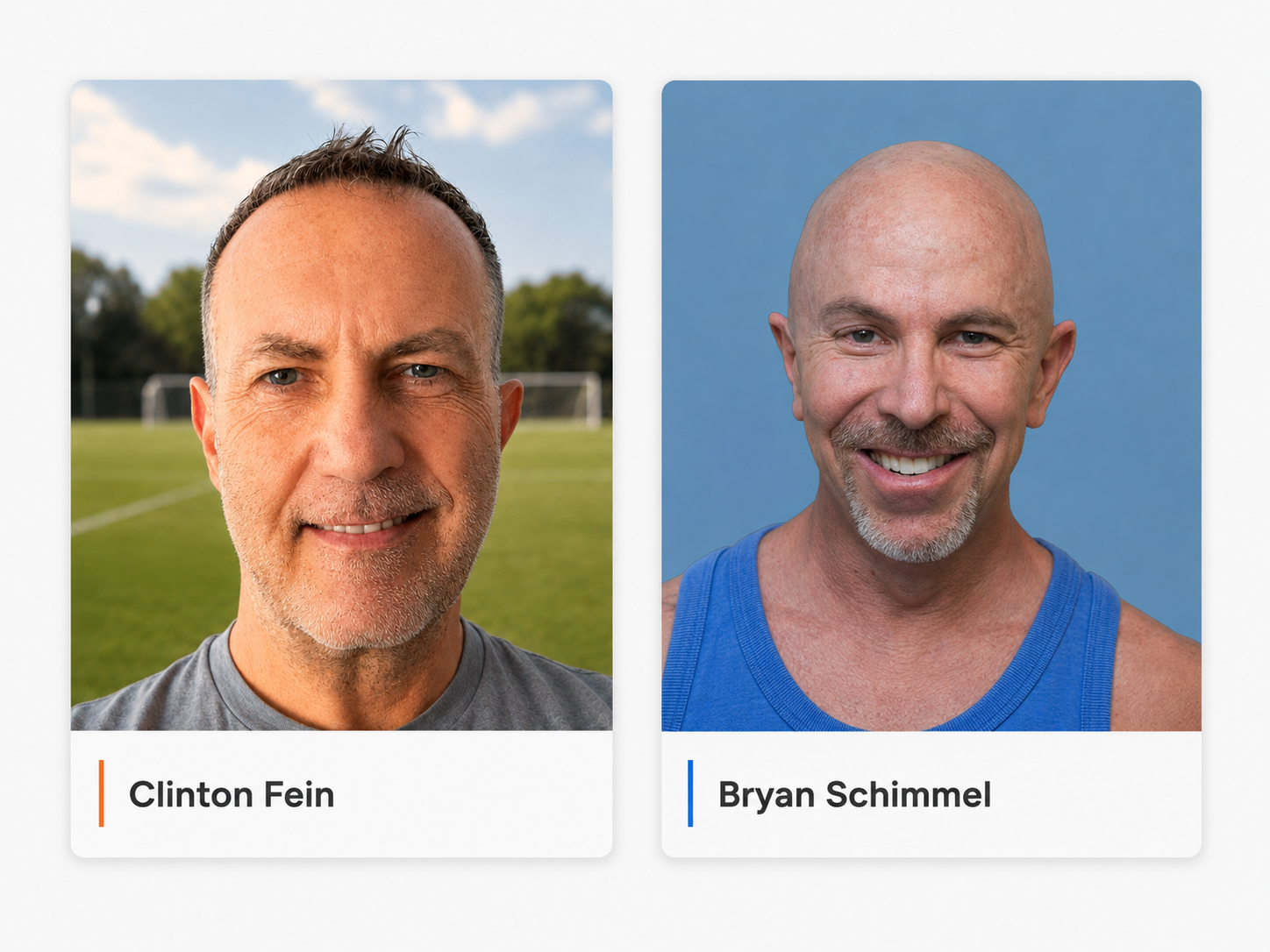
Co-founder, keynote speaker and podcast host
BRYAN'S SUBSTACK ↗Co-founder, keynote speaker and podcast host
CLINTON'S PROFILE ↗CONVERSATIONS THAT CHALLENGE.
PERSPECTIVES THAT CHANGE.
COMMUNITIES THAT HEAL.
START THE CONVERSATION →Bully Dialogues is a thinking and preparation tool. It is not emergency, legal, medical, mental-health or safeguarding advice. If anyone is in immediate danger, contact local emergency or safeguarding services.